
Cărţi în limbi străine
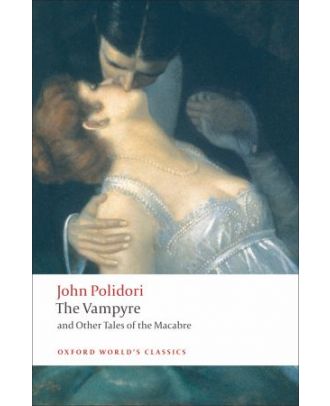
- The Vampyre and Other Tales of the Macabre53.46 LEI`Upon her neck and breast was blood, and upon her throat were the marks of teeth having opened the vein: - to this the men pointed, crying, simultaneously struck with horror, "a Vampyre, a Vampyre!"'
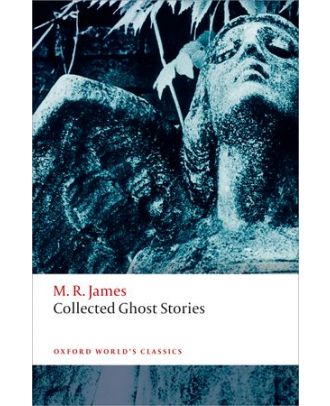
- Collected Ghost Stories57.03 LEIThe only one-volume edition to include all the published stories included in M. R. James's 1931 Collected Ghost Stories, plus three uncollected tales.
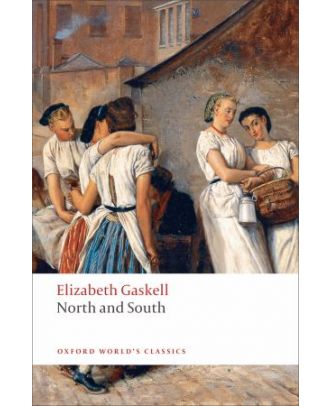
- North and South50.92 LEI`she tried to settle that most difficult problem for women, how much was to be utterly merged in obedience to authority, and how much might be set apart for freedom in working.'
- Social and Cultural Anthropology: A Very Short Introduction53.46 LEIThis Very Short Introduction to Social and Cultural Anthropology combines an accessible account of some of the disciplines guiding principles and methodology with abundant examples and illustrations of anthropologists at work.
- Miss or Mrs?, The Haunted Hotel, The Guilty River57.03 LEIB`..melodrama is perennial and the craving for it is perennial and must be satisfied' T. S. Eliot ('Wilkie Collins and Dickens')
- Heart of Darkness and Other Tales45.98 LEIAttractive new setting using English first edition text for this outsanding edition by acclaimed Conrad scholar Cedric WattsFeatures new chronology and bibliographyA unique combination of Conrad's storiesIncludes glossary of nautical terms, and a map of the Congo riverHEART OF DARKNESS * AN OUTPOST OF PROGRESS * KARAIN * YOUTH
- Magic: A Very Short Introduction53.46 LEIThis Very Short Introduction does not attempt to provide a concluding definition of magic: it is beyond simple definition. Instead it explores the many ways in which magic, as an idea and a practice, has been understood and employed over the millennia.
- Free Will: A Very Short Introduction53.46 LEIThis Very Short Introduction, written by a leading authority on the subject, looks at a range of issues surrounding this fundamental philosophical question, exploring it from the ideas of the Greek and medieval philosophers through to the thoughts of present-day thinkers. It provides a interesting and incisive introduction to this perennially fascinating subject.
- Northanger Abbey, Lady Susan, The Watsons, Sanditon45.98 LEI'...in suspecting General Tilney of either murdering or shutting up his wife, she had scarcely sinned against his character, or magnified his cruelty.'
- Tess of the d'Urbervilles50.92 LEIA unique critical text, taken from the authoritative Clarendon edition, based on the manuscript collated with Hardy's later revisionsNew introduction by Penny Boumelha describes the novel's controversial publication, the figure of Tess,class, and nature, and the female body, in an original and compelling reading.New, up-to-date bibliographyNew chronologyTwo mapsNew to this edition
- The Golden Bough. A Study in Magic and Religion93.03 LEIA classic study of the beliefs and institutions of mankind, and the progress through magic and religion to scientific thought, The Golden Bough has a unique status in modern anthropology and literature.
- The Memoirs of Sherlock Holmes50.92 LEIThe Memoirs of Sherlock Holmes are overshadowed by the event with which they close - the meeting of the great detective and Moriarty, the Napoleon of Crime.
- Galaxies: A Very Short Introduction53.46 LEIIn this Very Short Introduction, renowned science writer John Gribbin describes the extraordinary things that astronomers are learning about galaxies, and explains how this can shed light on the origins and structure of the Universe.
- The Mayor of Casterbridge45.98 LEIThis edition is the only critically established text of the novel, based on a comprehensive study of the manuscript and Hardy's extensive revisions.
- Animal Rights: A Very Short Introduction53.46 LEIAnimal Rights distinguishes itself by combining intellectual rigour with accessibility, offering a distinct moral voice with a non-polemical tone.
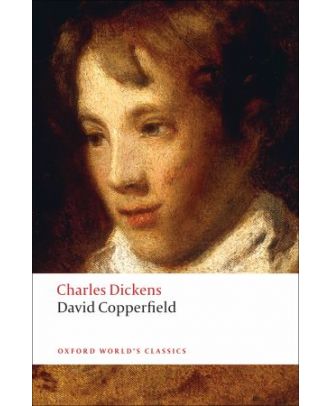
- David Copperfield53.46 LEI`I have in my heart of hearts a favourite child. And his name is DAVID COPPERFIELD,' wrote Dickens of what is the most personal, certainly one of the most popular, of all his novels.
- Racism: A Very Short Introduction53.46 LEIFrom subtle discrimination in everyday life and scandals in politics, to incidents like lynchings in the American South, cultural imperialism, and 'ethnic cleansing', racism exists in many different forms, in almost every facet of society.
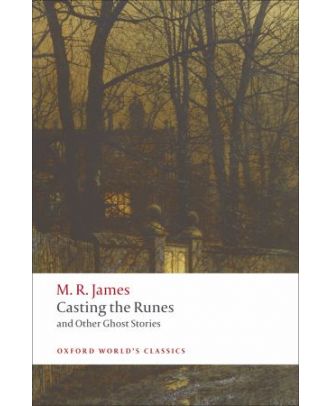
- Casting the Runes and Other Ghost Stories50.92 LEIThis selection of 21 stories represents the best of James's work, and includes three stories which are not in the Collected Edition.
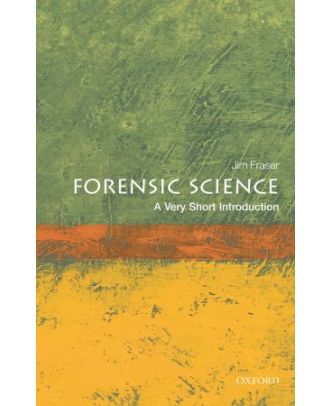
- Forensic Science: A Very Short Introduction53.46 LEIForensic science is a subject of wide fascination. What happens at a crime scene? How does DNA profiling work? How can it help solve crimes that happened 20 years ago?
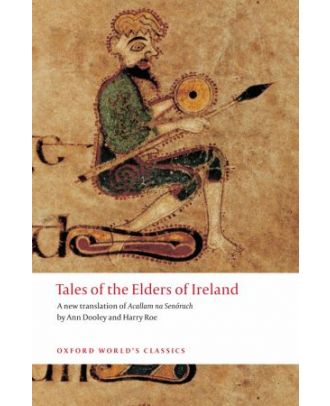
- Tales of the Elders of Ireland59.88 LEI"'Dear holy cleric,' they said, 'these old warriors tell you no more than a third of their stories, because their memories are faulty. Have these stories written down on poets' tablets in refined language, so that the hearing of them will provide entertainment for the lords and commons of later times.' The angels then left them."
- Madness: A Very Short Introduction53.46 LEIMadness is something that frightens and fascinates us all. It is a word with which we are universally familiar, and a condition that haunts the human imagination. Through the centuries, in poetry and in prose, in drama and in the visual arts, its depredations are on display for all to see. A whole industry has grown up, devoted to its management and suppression.
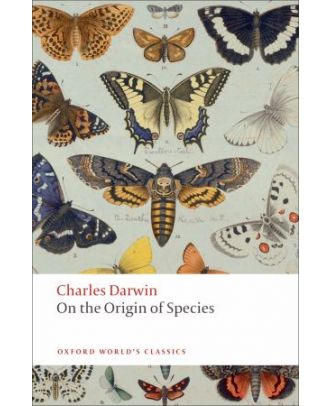
- On the Origin of Species57.03 LEIIn the Origin of Species (1859) Darwin challenged many of the most deeply held beliefs of the Western world. His insistence on the immense length of the past and on the abundance of life-forms, present and extinct, dislodged man from his central position in creation and called into question the role of the Creator. He showed that new species are achieved by natural selection, and that absence of plan is an inherent part of the evolutionary process.
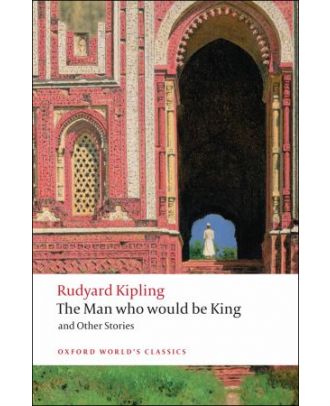
- The Man Who Would Be King and Other Stories57.03 LEIThis collection brings together seventeen of Kipling's early stories, written between 1885 and 1888, when Kipling was working as a journalist in India. Wry comedies of British officialdom alternate with glimpses into the harsh lives of the common soldiers and the Indian poor, revealing Kipling's legendary powers of observation and, in 'Baa Baa, Black Sheep' his own miserable childhood.
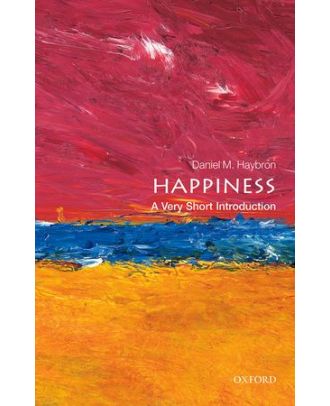
- Happiness: A Very Short Introduction53.46 LEIHappiness is an everyday term in our lives, and most of us strive to be happy. But defining happiness can be difficult.
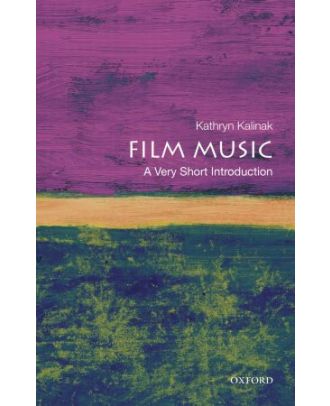
- Film Music: A Very Short Introduction53.46 LEIThe rich and deeply moving sounds of film music are as old as cinema itself. Even the very first projected moving images were accompanied by music in many places as a variety of performers - from single piano players to small orchestras - brought images to life through musical accompaniment. Film music has since become its own industry, an aesthetic platform for expressing creative visions and a commercial vehicle for growing musical stars of all varieties.
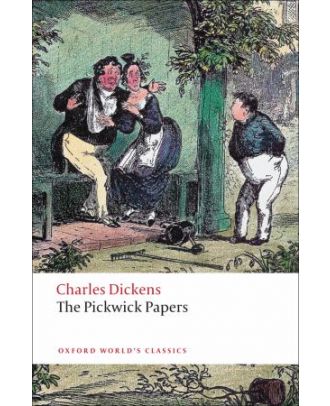
- The Pickwick Papers59.88 LEIIn 1836 the 23-year-old Dickens was invited by his publishers to write `a monthly something' illustrated by sporting plates. Thus the Pickwick Club was born: its supposed `papers' soon outgrew their origins and became a brilliantly comic novel, still among Dicken's most popular works.



Cauta Editura All Brands
Edituri


















Please complete your information below to login.
Conectare
Creează un cont nou